Infrastructure Challenges

Where legacy data centers break.

A clear-eyed inventory of the constraints that define the frontier of AI infrastructure today. These are not opinions — they are physics, supply chains and policy made visible.

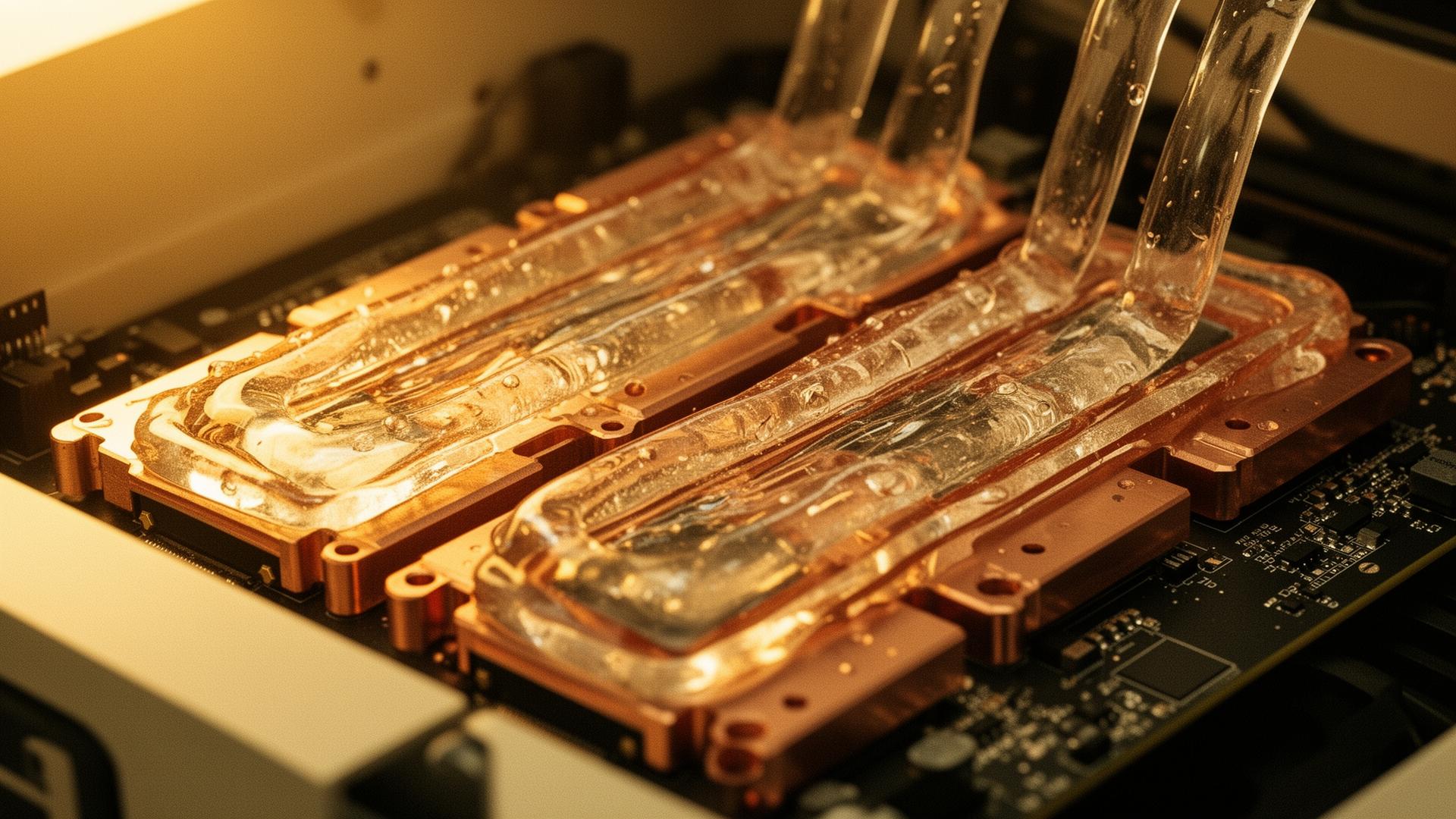
Thermal envelope collapse
Thermal · Plate 01
CHALLENGE · 01/ 06

Thermal envelope collapse

Air-cooled facilities top out around 30kW/rack. Frontier AI training nodes are now specified at 120–250kW. The gap is not incremental — it requires a different physical paradigm.

  • Liquid-to-chip cold plates
  • Rear-door heat exchangers
  • Two-phase immersion options
Network as a bottleneck
Network · Plate 02
CHALLENGE · 02/ 06

Network as a bottleneck

Tightly coupled training treats the entire data center as one machine. East-west traffic dominates, and any hop count above three measurably degrades throughput on long-context training runs.

  • Non-blocking fat-tree topology
  • Optical interconnect fabric
  • Rail-optimized GPU placement
Power that ramps faster than the grid
Power · Plate 03
CHALLENGE · 03/ 06

Power that ramps faster than the grid

AI workloads create gigawatt-scale, second-resolution load steps. Grid operators were not designed for this. Without on-site buffering, utility infrastructure becomes a hard ceiling on training scale.

  • On-site BESS for ramp buffering
  • Modular SMR feasibility
  • Behind-the-meter generation
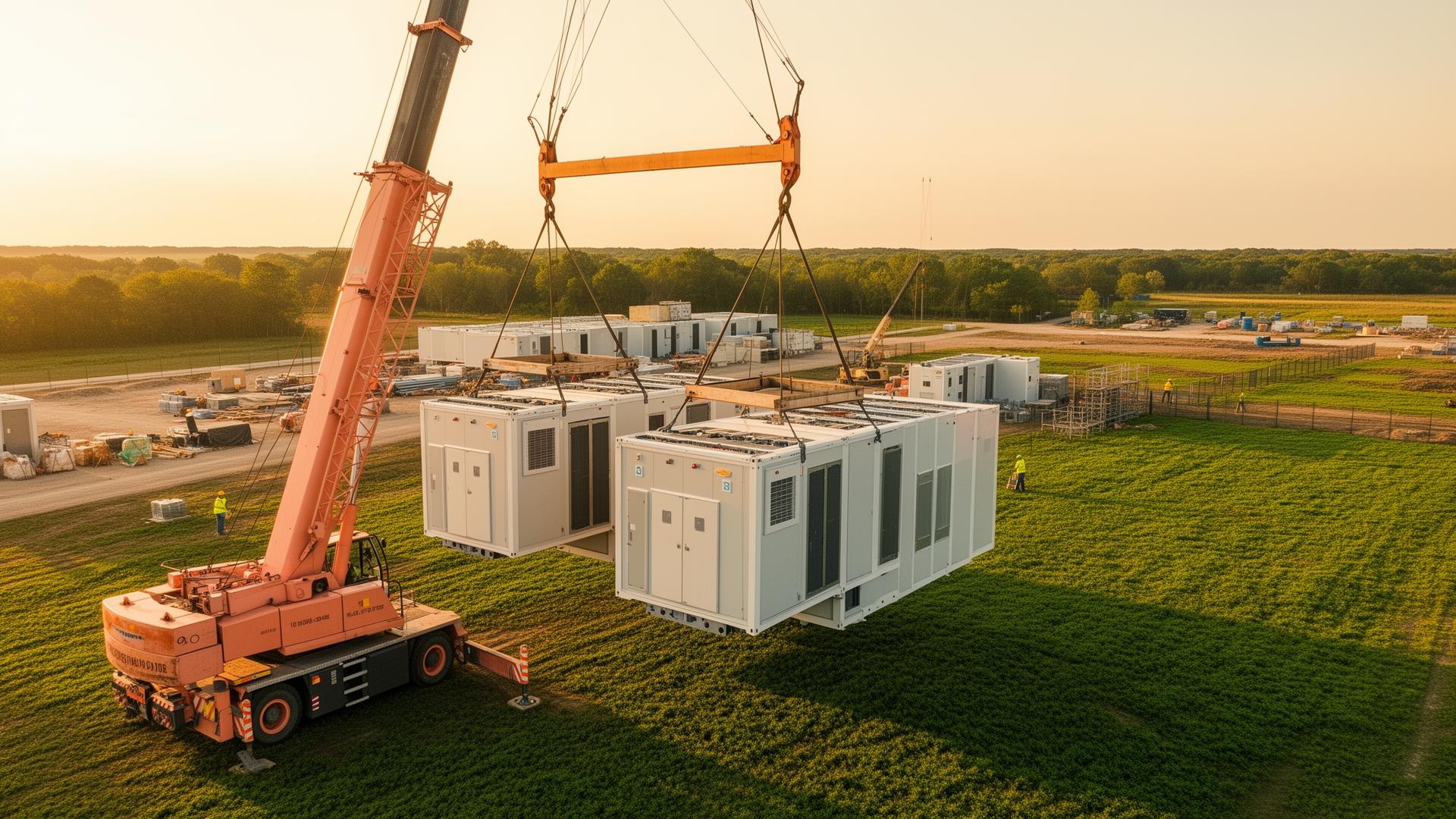
Deployment velocity
Schedule · Plate 04
CHALLENGE · 04/ 06

Deployment velocity

Conventional data center builds run 24–36 months. The half-life of a model architecture is currently nine months. Modular and pre-engineered approaches are no longer optional — they are the only viable schedule.

  • Factory-built compute modules
  • Sitework parallelization
  • Standardized power skids
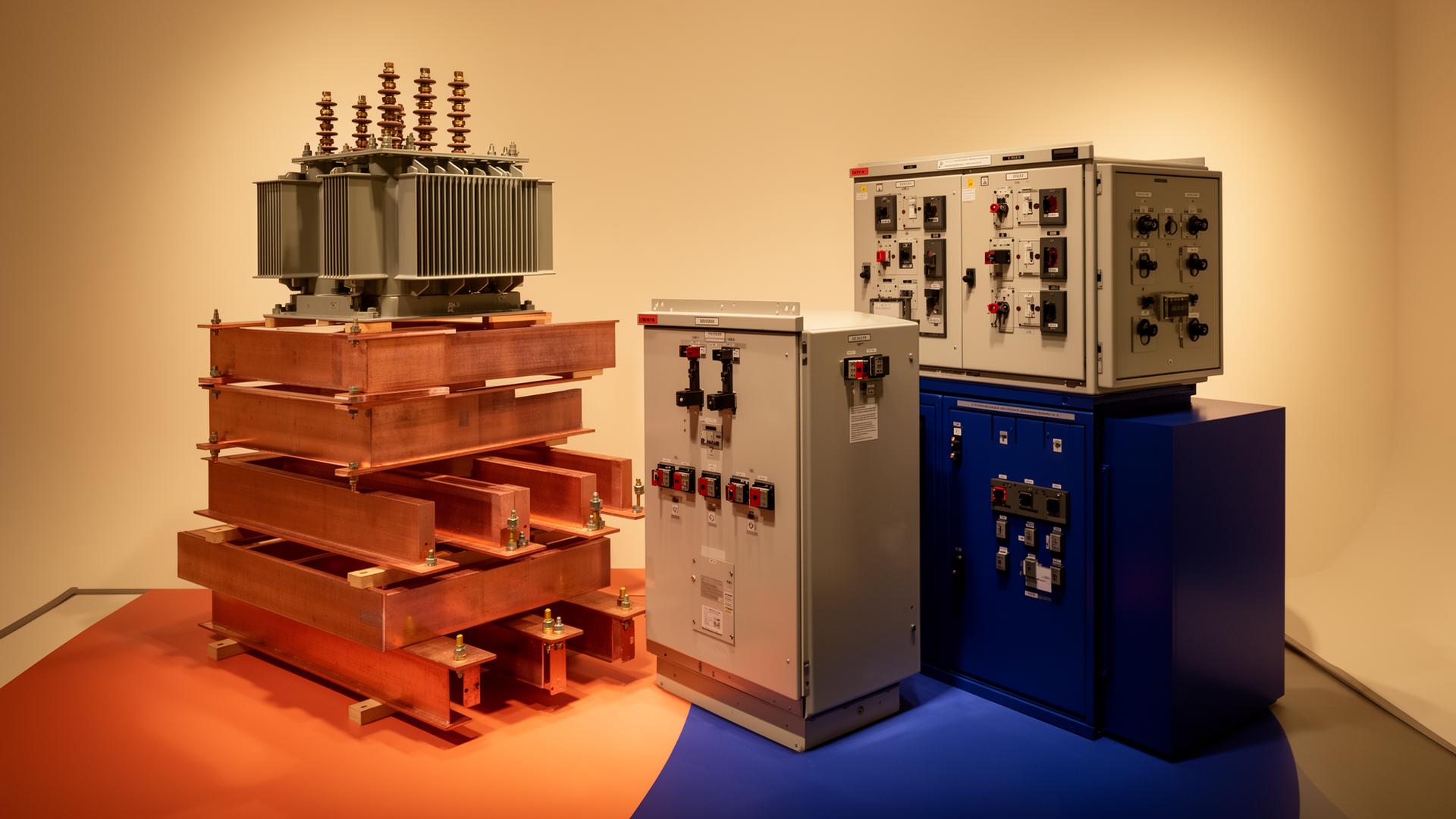
Supply chain concentration
Supply · Plate 05
CHALLENGE · 05/ 06

Supply chain concentration

Transformers, switchgear, optical transceivers and high-density CDU systems all face 12–24 month lead times. Strategic procurement is now a core infrastructure competency.

  • Long-lead component framework
  • Vendor diversification
  • Standardized SKU strategy
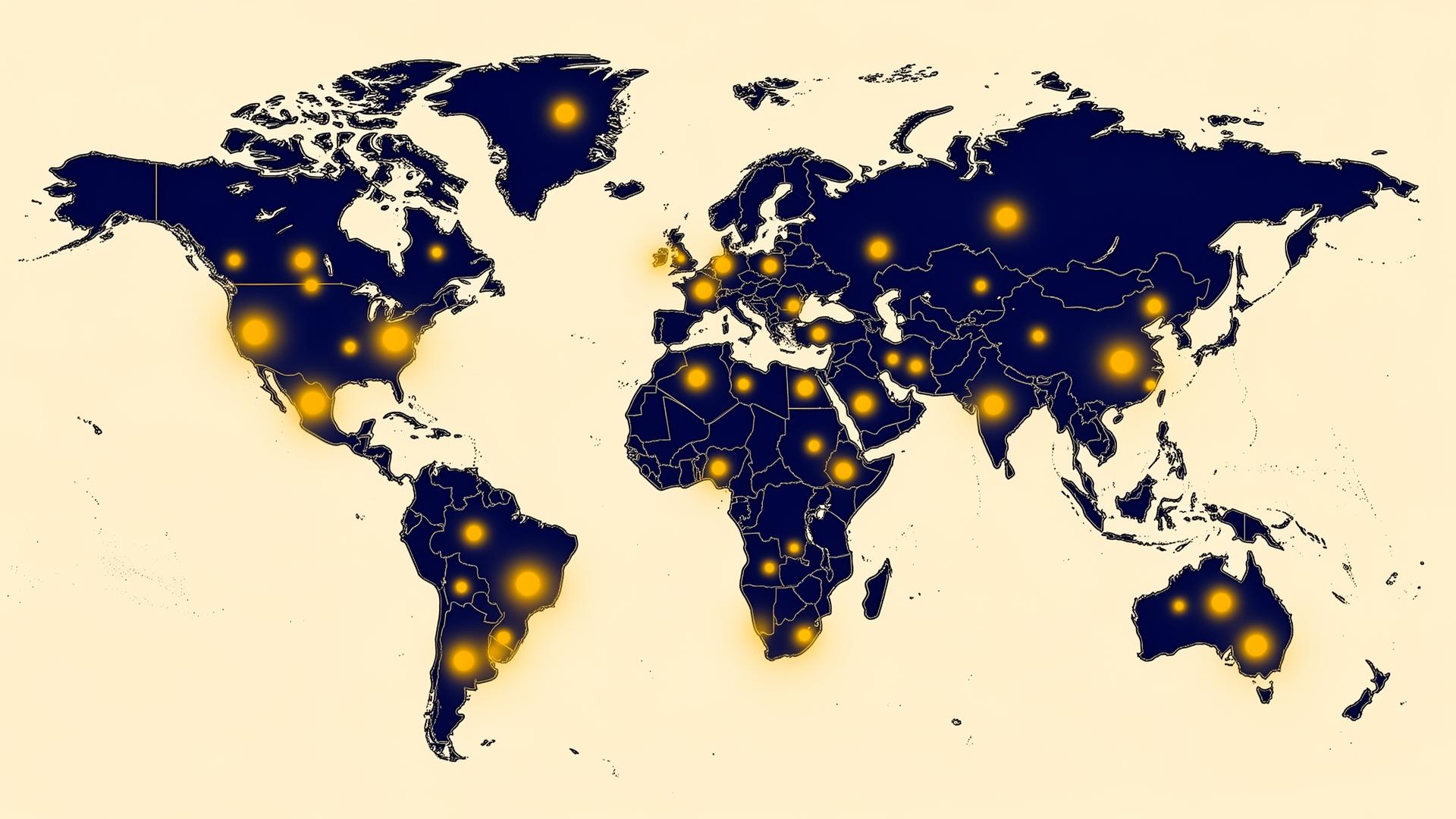
Sovereignty and jurisdiction
Policy · Plate 06
CHALLENGE · 06/ 06

Sovereignty and jurisdiction

Where compute lives determines who can audit it, regulate it, or seize it. National AI strategies increasingly treat compute infrastructure as critical defense infrastructure.

  • Jurisdictional clean room design
  • Data residency architecture
  • Sovereign cloud overlays

Each constraint maps to a system in our solutions platform.

Explore solutions →
— Engage the practice

Audit your AI roadmap with us.

A small number of engagements per quarter. We work with sovereign funds, frontier labs and hyperscale operators on infrastructure that lasts.